
Are potatoes low FODMAP? With the prevalence of irritable bowel syndrome (IBS) and the need for a low FODMAP diet, understanding the place of potatoes—from sweet potatoes to russet and Idaho-type varieties—within this dietary framework is essential. This article explores which potato types are conducive to a low-FODMAP diet and how they can be safely incorporated into meals.
Learn about FODMAPs in watermelon, blueberries, carrots, broccoli, and cucumbers.
Table of Contents
FODMAPs, an acronym for Fermentable Oligosaccharides, Disaccharides, Monosaccharides, and Polyols, are a group of short-chain carbohydrates and sugar alcohols found in various foods, from fruits and vegetables to dairy and wheat. Due to their poor absorption in the small intestine and the potential for fermentation by gut bacteria, these substances can increase fluid and gas production.
For individuals with IBS and similar gastrointestinal disorders, this fermentation process can cause significant discomfort, including symptoms such as bloating, gas, abdominal pain, constipation, and diarrhea. The low-FODMAP diet, developed by researchers at Monash University, aims to reduce these symptoms by limiting the intake of high-FODMAP foods. This diet involves a temporary elimination phase, followed by a gradual reintroduction phase to identify personal triggers and create a long-term, tailored eating plan that minimizes gastrointestinal distress while ensuring nutritional balance.
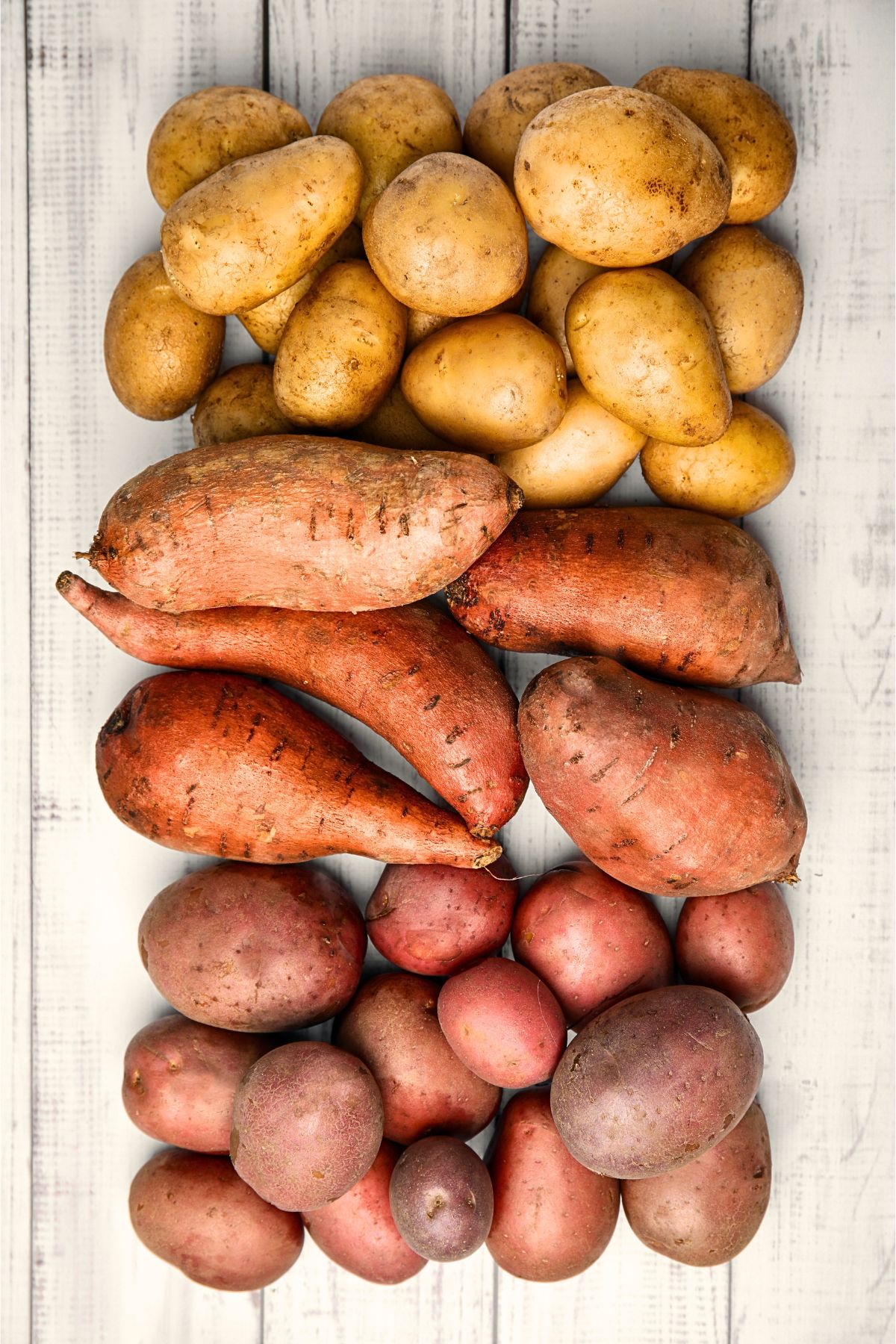
Whether you’re eyeing sweet potatoes, white potatoes, or red potatoes, it’s essential to navigate their inclusion in your diet with informed precision. White potatoes, belonging to the nightshade family (Solanum tuberosum), and sweet potatoes (Ipomoea batatas) offer distinct nutritional profiles and FODMAP levels. Monash University‘s lab tests and app entries provide a roadmap for understanding how these staples can fit into a FODMAP-friendly diet. For instance, sweet potatoes are celebrated for their fiber and nutrient richness but must be consumed within recommended serving sizes to maintain their low FODMAP status.
Lab testing by Monash University has illuminated the FODMAP content across various potato types, from starchy to waxier potatoes. These insights are crucial for those looking to remove the starch or leverage it for its prebiotic benefits.
The starch content in potatoes is a double-edged sword. Starches provide energy and satiety. However, the way the body processes them can vary. Resistant starch, particularly notable in cooled potatoes, acts as a prebiotic, fostering good gut bacteria without exacerbating IBS symptoms. This highlights the importance of not only choosing the right type of potato but also preparing it in a manner that aligns with digestive health needs.
When considering potatoes for your diet, the focus should not just be on their FODMAP content but also on their preparation. Cooking methods like boiling, steaming, and even pan-frying can influence their suitability for a low-FODMAP diet. This section of the article will guide you through selecting and preparing potatoes in a way that supports your gut health, enriching your diet without triggering IBS symptoms. Whether it’s mastering the art of making low-FODMAP potato recipes or understanding the nuances of FODMAP stacking, this guide aims to demystify potatoes’ role in a FODMAP-friendly diet.
Are Potatoes Low FODMAP?
Potatoes are generally considered low-FODMAP and are well-tolerated by many individuals following a low-FODMAP diet. Unlike many other foods that can contain high levels of FODMAPs such as fructose, lactose, mannitol, sorbitol, GOS (galacto-oligosaccharides), and fructans, potatoes primarily consist of starch, with a minimal presence of these fermentable sugars and compounds. Specifically, white potatoes and most other varieties do not contain significant amounts of fructose, lactose, mannitol, sorbitol, GOS, or fructans, making them a safe choice for a low-FODMAP diet.
Potatoes are generally considered low-FODMAP and are well-tolerated by many individuals following a low-FODMAP diet.
However, sweet potatoes contain mannitol, a polyol, and should be consumed in moderation—up to ½ cup (about 75g) per serving—to remain within low FODMAP limits. It’s important for individuals to monitor their own tolerance levels, as sensitivity can vary. Overall, potatoes can be a nutritious and satisfying part of a low-FODMAP diet when consumed in appropriate quantities, allowing individuals to enjoy the versatility and comfort of potatoes without exacerbating gastrointestinal symptoms.
White Potatoes and FODMAPs
White potatoes are generally considered low in FODMAPs. Their versatile nature allows them to be included in various low-FODMAP recipes, making them a valuable component for those seeking diversity in their meals without triggering IBS symptoms. One serving of half a cup or 75 grams of raw, unpeeled white potatoes per meal is considered low in FODMAPs.
One serving of half a cup or 75 grams of raw, unpeeled white potatoes per meal is considered low in FODMAPs.
White potatoes are an excellent source of vitamins and minerals. They provide significant amounts of vitamin C and B6, potassium, and are also a good source of fibre when the skin is included. These nutrients play a crucial role in maintaining overall health, including gut health, by supporting immune function, nerve health, and muscle strength. For individuals following a low-FODMAP diet, white potatoes offer a FODMAP-friendly option that does not compromise on nutrition.
Sweet Potatoes and FODMAPs
Sweet potatoes (Ipomoea batatas) present a nutritious option for those on a low-FODMAP diet. However, Monash University delineates a specific recommended serving size to maintain their low FODMAP status, emphasizing the importance of portion control to avoid FODMAP stacking. One serving of half a cup or 75 grams of unpeeled, raw sweet potatoes is considered to be low in FODMAPs.
One serving of half a cup or 75 grams of unpeeled, raw sweet potatoes is considered to be low in FODMAPs.
Sweet potatoes, particularly the orange-fleshed varieties, are celebrated for their high vitamin A content, which is crucial for vision, immune function, and skin health. Alongside, they provide fibre, vitamin C, magnesium, and potassium, making them a nutritional standout. Their moderate amounts of mannitol, a type of polyol, mean that portion control is essential to remaining within low FODMAP guidelines. Nonetheless, they can be a delicious and colorful addition to a low-FODMAP diet, offering a range of sweet potato recipes that cater to digestive health without triggering IBS symptoms.
Red Potatoes and FODMAPs
Red potatoes are considered low-FODMAP. Most people with IBS or those on a low-FODMAP diet should have no problems tolerating a serving size of up to half a cup or 75 grams of red potatoes. However, individual tolerances can vary, so it’s advisable to start with smaller portions and adjust based on your own experience.
Most people with IBS should have no problems tolerating a serving size of up to half a cup or 75 grams of red potatoes.
Red potatoes are distinguished not just by their vibrant color but also by their health benefits. Rich in antioxidants, particularly anthocyanins, they can help reduce inflammation and are linked to a lower risk of several chronic diseases. Like their white and sweet counterparts, red potatoes provide fibre, vitamin C, and potassium, making them a beneficial choice for those on a low-FODMAP diet looking to add variety and color to their meals.

Potato Chips and FODMAPs
For many following a low-FODMAP diet, navigating snack options can be a challenge, particularly when it comes to favorites like potato chips. At their most basic—comprised solely of potatoes, oil, and salt—potato chips can indeed be a FODMAP-friendly snack option. However, the waters get murkier with the introduction of flavored varieties, which often contain high-FODMAP ingredients that can trigger IBS symptoms.
Plain Potato Chips: A Safe Bet
One serving of a small packet or 30 grams of plain potato chips is considered low in FODMAP.
One serving of a small packet or 30 grams of plain potato chips is considered low in FODMAP.
Plain potato chips, without added flavors or seasonings, are generally safe for those on a low-FODMAP diet. The key lies in their simplicity. The low FODMAP content of potatoes remains largely unaffected in the transition to chip form when they are simply sliced, fried in FODMAP-friendly oil, and lightly salted. This makes plain potato chips a convenient and satisfying option for those seeking a FODMAP-friendly crunchy snack.
The Hidden FODMAPs in Flavored Varieties
Flavored potato chips, while tempting, can pose a significant risk for those with IBS. Common flavorings such as garlic powder, onion powder, sour cream, and buttermilk not only bring a punch of taste but also a host of FODMAPs. Even seemingly innocuous flavors like “honey glazed” or “barbecue” can include high-FODMAP ingredients like honey and high-fructose corn syrup. Additionally, seasonings may contain milk protein concentrate or other dairy derivatives high in lactose, further complicating the FODMAP landscape.
Homemade Alternatives for Flavor Control
For those craving the flavor complexity of seasoned chips without the FODMAP pitfalls, homemade potato chips offer a solution. Thinly slicing and baking or frying potatoes in a low-FODMAP oil, then seasoning with FODMAP-friendly spices like sea salt, can satisfy chip cravings without the worry. This DIY approach allows for complete control over the ingredients, ensuring that the final product is both delicious and digestively healthy.
Potato chips can still be part of a low-FODMAP diet, provided they are plain or prepared with FODMAP-friendly seasonings. By carefully selecting store-bought varieties or opting to make your own, you can enjoy this classic snack without fear of triggering IBS symptoms. Remember, as with all foods on a low-FODMAP diet, moderation is key, and individual tolerance levels should always guide your dietary choices. With a bit of caution and creativity, potato chips can remain a crunchy, satisfying staple in your low-FODMAP snack lineup.
Understanding Resistant Starch in Potatoes
Resistant starch is a type of carbohydrate that resists digestion in the small intestine and ferments in the large intestine, acting as a prebiotic to nourish beneficial gut bacteria. It offers numerous health benefits, including improved gut health, better glycemic control, increased satiety, reduced cholesterol, and a lower risk of colon cancer, all while causing less gas than other fibers due to its slow fermentation. Common food sources of resistant starch include potatoes, plantains, green bananas, beans, peas, lentils, whole grains like oats and barley, and cooked and cooled rice, with the amount of resistant starch varying based on the food’s preparation and processing.
The concept of resistant starch is noteworthy when discussing potatoes and digestive health. This type of starch, particularly prevalent in cooled potatoes, acts as a prebiotic, fostering good gut bacteria and producing short-chain fatty acids like butyrate. Such benefits underscore the significance of cooking and preparation methods in maximizing potatoes’ nutritional value while adhering to FODMAP guidelines.
Cooking Methods and FODMAP Levels in Potatoes
The way potatoes are cooked can significantly affect their FODMAP content and resistant starch levels. Boiled, steamed, pan-fried, and sautéed potatoes can vary in their FODMAP levels and nutritional benefits. For example, cooling cooked potatoes increases their resistant starch content, which is beneficial for gut health by acting as a prebiotic for good gut bacteria and producing short-chain fatty acids. Understanding these nuances can help individuals tailor their potato consumption to fit their low-FODMAP diet while maximizing the nutritional benefits.
Boiling
Boiling potatoes is a method that can potentially reduce their FODMAP content. The process involves immersing potatoes in water, which can cause some of the FODMAPs to leach out into the water, especially if the potatoes are peeled before boiling. For those on a low FODMAP diet, boiling can make potatoes easier to digest, especially when served in moderation.
Key Benefit: May slightly reduce FODMAP content; generally easier to digest.
Baking
Baking potatoes can affect their FODMAP content differently. The dry heat of an oven does not allow FODMAPs to leach out as they might in boiling water. However, baking can increase the resistant starch content of potatoes, especially if they are cooled afterward. Resistant starch is not a FODMAP but is fermented by gut bacteria, offering potential benefits for gut health without the rapid fermentation associated with FODMAPs.
Key Benefit: Increases resistant starch, particularly if cooled after baking, potentially beneficial for gut health without increasing FODMAP content.
Frying
Frying potatoes, such as making French fries or chips, does not significantly alter their FODMAP content compared to raw potatoes. However, frying can add a considerable amount of fat, which can be a trigger for some individuals with IBS or similar digestive sensitivities. The high-fat content can slow digestion, potentially exacerbating symptoms in sensitive individuals.
Consideration: Does not significantly change FODMAP content but high-fat content may affect digestion.
Other Preparation Methods
- Cooling After Cooking: Cooling potatoes after cooking, such as boiling or baking, increases their resistant starch content. This form of starch acts as a prebiotic, feeding beneficial gut bacteria without the same rapid fermentation that causes symptoms in those sensitive to FODMAPs.
- Mashing: Mashed potatoes retain their FODMAP content, but the addition of high-FODMAP ingredients like milk can make them unsuitable for a low FODMAP diet. Using lactose-free milk or a suitable alternative can make this dish low FODMAP friendly.
- Rinsing After Boiling: Rinsing boiled potatoes can help remove some surface FODMAPs that may have leached out during cooking, especially if they were cooked peeled.
The way potatoes are cooked can influence their FODMAP content and overall digestibility. Boiling may slightly reduce FODMAP content, baking and cooling can increase beneficial resistant starch without affecting FODMAP levels, and frying does not significantly change FODMAP content but may impact digestion due to high fat. When preparing potatoes, it’s important for those on a low FODMAP diet to consider both the cooking method and the addition of any high-FODMAP ingredients to ensure the dish remains suitable for their dietary needs.

FODMAPs in Common Potato Dishes
While potatoes themselves can be low FODMAP, common ingredients added to potato dishes may introduce FODMAPs that could trigger IBS symptoms. Understanding how to navigate these challenges is crucial for anyone looking to maintain a low FODMAP diet while still enjoying the diverse world of potato-based meals. Here are strategies for modifying popular potato dishes to ensure they remain FODMAP-friendly.
Reimagining Potato Salads
Traditional potato salads often include high FODMAP ingredients such as onions and store-bought dressings with garlic. To keep your potato salad low FODMAP, opt for green onion tops (the green parts), create your own dressing with garlic-infused oil, and incorporate FODMAP-friendly herbs and spices for flavor. Ingredients like Dijon mustard and mayonnaise (check labels for additives) can be safe in small quantities.
Modifying Mashed Potatoes
Mashed potatoes are a comfort food favorite but commonly include milk or cream and butter, which can be high in lactose. Use lactose-free milk or a low FODMAP milk alternative such as almond milk, and opt for garlic-infused oil instead of garlic for a FODMAP-friendly version without sacrificing creaminess or flavor.
Transforming Potato Soups
Creamy potato soups often contain high FODMAP ingredients like onions and milk. To adapt these recipes, use the green parts of scallions or leek leaves for a similar flavor profile. Lactose-free cream or low FODMAP plant-based milks can be used to achieve the desired creaminess. Adding a bit of potato starch can also help thicken the soup without the need for flour, which can be high in FODMAPs.
Enjoying Potato Chips and Fries Safely
Potato chips and fries are generally low FODMAP if they are plain and only include potatoes, oil, and salt. However, many commercial varieties and restaurant versions include seasonings that contain FODMAPs. Opting for homemade versions where you control the ingredients is a safe bet. For flavor, sprinkle with FODMAP-friendly spices or sea salt after cooking.
Baking with Potatoes
Baked potato dishes, including casseroles and gratins, often incorporate high FODMAP items like heavy creams, onions, and wheat flour. To modify, use lactose-free dairy or FODMAP-friendly alternatives, and thicken sauces with cornstarch or gluten-free flour blends. For added flavor without the FODMAPs, consider chives, parsley, or rosemary.
Navigating Food Labels: Identifying Low FODMAP Potato Products
Navigating food labels is a critical skill for anyone following a low FODMAP diet, especially when it comes to identifying suitable potato products. While whole, unprocessed potatoes are naturally low in FODMAPs, processed potato products can contain added ingredients that are high in FODMAPs, making label reading essential.
- Start with the Ingredients List: Ingredients are listed in order of quantity, from highest to lowest. Look for whole potatoes listed at the beginning, indicating the product is primarily made of potatoes.
- Check for High FODMAP Additives: Be vigilant for ingredients like onion, garlic, milk, honey, high fructose corn syrup, and inulin. These can indicate the presence of fructans, lactose, fructose, and other high FODMAP compounds.
- Look for Low FODMAP Certifications: Some products might carry certifications or endorsements from FODMAP-friendly organizations. These logos can serve as a quick reference to the product’s suitability.
- Serving Size Matters: Even low FODMAP ingredients can become high FODMAP in larger quantities. Pay attention to the serving size on the nutrition facts panel to ensure your portion aligns with low FODMAP guidelines.
- Preservatives and Additives: Some potato products use preservatives or additives that can affect individuals with IBS differently. While not always high in FODMAPs, they can still cause gastrointestinal distress for some.

Practical Tips for Buying and Storing Potatoes
Buying and storing potatoes correctly is essential not just for maintaining their quality and flavor but also for ensuring they fit well within a low FODMAP diet. Here are some practical tips for selecting, buying, and storing potatoes to get the best out of this versatile vegetable.
Tips for Buying Potatoes
- Choose Firm Potatoes: Look for potatoes that are firm to the touch with smooth, unblemished skins. Avoid those with soft spots, sprouts, or a green tint, as these can indicate spoilage or the presence of solanine, a natural toxin that develops when potatoes are exposed to too much light.
- Consider the Variety: Different potato varieties are suited to different cooking methods. For a low FODMAP diet, it’s also important to consider the type. While most potatoes have low FODMAP, some, like sweet potatoes, have serving size limits. Familiarize yourself with the varieties and choose based on your dietary needs and cooking plans.
Tips for Storing Potatoes
- Keep Them in a Cool, Dark Place: Potatoes last longest when stored in a cool (about 45–50°F or 7–10°C), dark, and well-ventilated place. Avoid storing them in the refrigerator, as cold temperatures can convert their starch into sugar, altering their taste and texture.
- Use a Basket or Paper Bag for Ventilation: Store potatoes in a basket, paper bag, or cardboard box to promote air circulation and prevent moisture accumulation, which can lead to spoilage. Avoid plastic bags, which can trap moisture and cause potatoes to rot more quickly.
- Separate from Onions: While it might be convenient to store all your root vegetables together, keep potatoes and onions separate. Onions can release gases that can accelerate the sprouting process in potatoes.
- Check Regularly: Regularly inspect your stored potatoes for any signs of spoilage, such as soft spots, sprouting, or a musty smell. Remove and discard any that are spoiled to prevent the spread of rot to healthy potatoes.
- Consider Storage After Cooking: Cooked potatoes should be stored in the refrigerator and consumed within a few days. Cooling cooked potatoes can also increase their resistant starch content, beneficial for gut health.
By following these practical tips for buying and storing potatoes, you can ensure that they remain fresh and delicious while fitting seamlessly into a low FODMAP diet. Proper storage not only extends the shelf life of potatoes but also helps preserve their nutritional value and culinary versatility.
Key Takeaways
Here are the key takeaways for including potatoes in a low-FODMAP diet:
- Potatoes are Generally Low FODMAP: Most potato varieties, including white and red potatoes, are considered low FODMAP and suitable for a low FODMAP diet, with sweet potatoes being an exception at larger servings due to their mannitol content.
- Serving Sizes Matter: While potatoes are low FODMAP, it’s essential to adhere to recommended serving sizes, particularly for sweet potatoes, to stay within low FODMAP limits and avoid triggering IBS symptoms.
- Preparation Methods Affect FODMAP Content: Cooking methods like boiling, baking, and cooling can influence the FODMAP content and the digestive tolerance of potatoes. Cooling cooked potatoes increases their resistant starch, beneficial for gut health.
- Watch Out for Additives in Processed Potato Products: Flavored or processed potato products may contain high FODMAP ingredients like onion and garlic powders. Always read labels carefully to identify and avoid these hidden FODMAPs.
- Reading Food Labels is Crucial: Identifying low FODMAP potato products requires careful reading of food labels to avoid high FODMAP additives and to ensure portion sizes align with low FODMAP guidelines.
- Proper Buying and Storage Extend Shelf Life: Selecting firm, unblemished potatoes and storing them in a cool, dark, and well-ventilated place can help maintain their quality and extend their shelf life.
- Homemade Alternatives Offer Safety and Variety: Preparing homemade potato dishes allows for complete control over ingredients, ensuring they remain low FODMAP and suitable for individuals with IBS.
- Individual Tolerance Varies: Personal tolerance levels to various potato varieties and dishes can vary among individuals following a low FODMAP diet, underscoring the importance of monitoring one’s own reactions.
- Potatoes Can Be Part of a Balanced Low FODMAP Diet: With careful selection, preparation, and portion control, potatoes can remain a nutritious and enjoyable part of a low FODMAP diet.

- Are Potatoes Low FODMAP? Adding Spuds Wisely For IBS - March 15, 2024
- Is Watermelon Low FODMAP? Tips for Eating With IBS - March 13, 2024
- Are Blueberries Low FODMAP? Discover The Digestive Benefits - March 12, 2024