
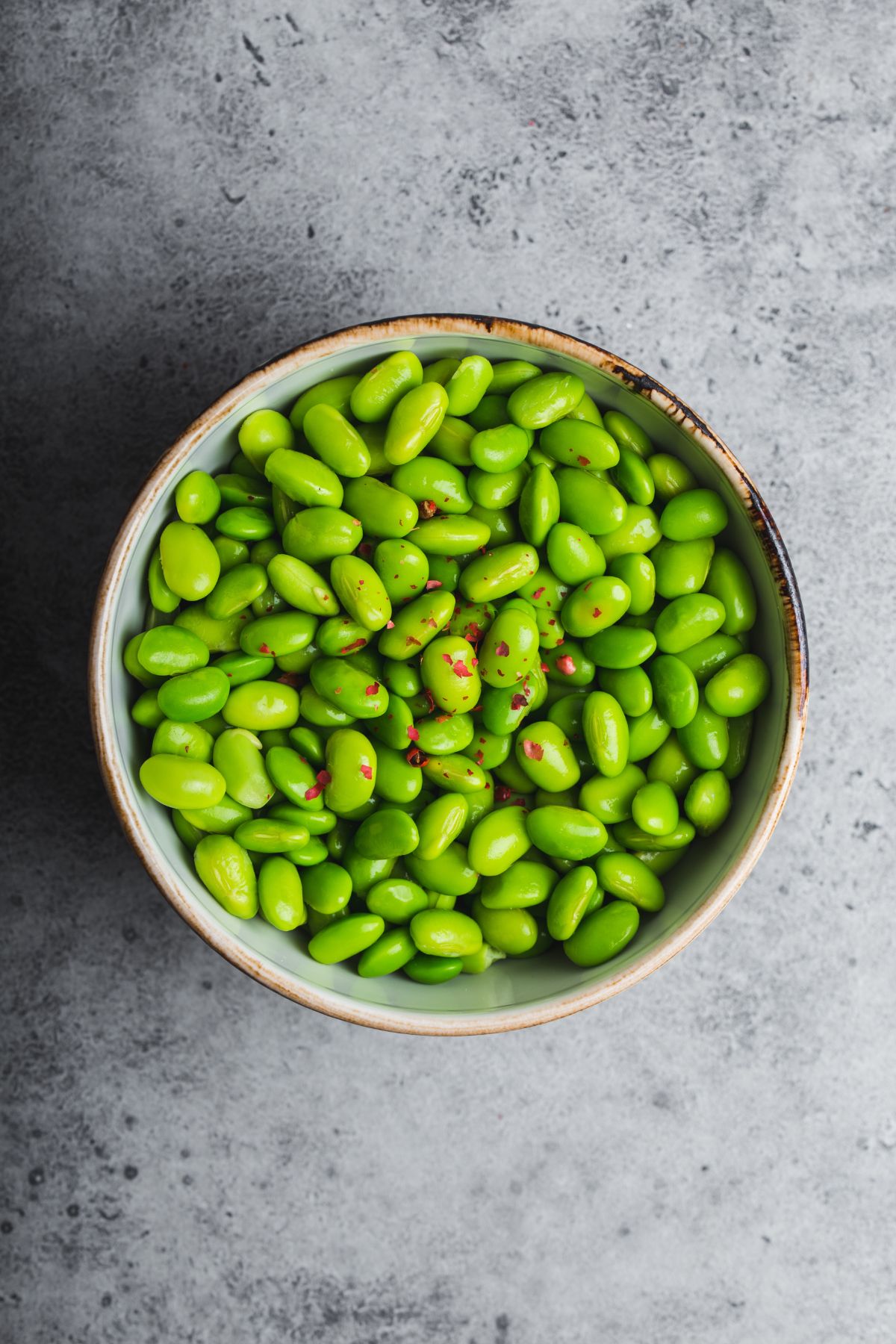
Is Edamame Low FODMAP? This question is more common than you might think, especially among those navigating the challenges of irritable bowel syndrome (IBS) and seeking to maintain a healthy diet. This blog post aims to explore and clarify the relationship between edamame and the low FODMAP diet, providing insights into how this food can affect digestive health and how it can be incorporated into your diet effectively.
Learn about FODMAPs in grapes, pineapple, olives, beets, mushrooms, and coffee.
Table of Contents
Edamame, those vibrant green soybeans often served as a snack or appetizer, has gained popularity not just for its taste but also for its nutritional benefits. However, for individuals with IBS, understanding how edamame fits into a low-FODMAP diet is crucial.
FODMAPs are a group of carbohydrates found in certain foods that can be difficult for some people to digest. The acronym stands for fermentable oligosaccharides, disaccharides, monosaccharides, and polyols. These small molecules can draw extra water into the gut and are fermented by gut bacteria, leading to the production of gas. For individuals with IBS and related gastrointestinal disorders, this process can cause significant discomfort, including bloating, gas, abdominal pain, constipation, and diarrhea.
The low-FODMAP diet developed by Monash University has been recognized as an effective approach to managing these symptoms. By reducing the intake of high-FODMAP foods, many individuals with IBS can significantly reduce their symptoms and improve their quality of life. It’s not about eliminating these foods entirely but rather reducing them to levels that the gut can handle without causing symptoms. This diet requires careful planning and guidance to ensure it meets all nutritional needs while helping manage IBS symptoms.
Health Benefits of Edamame
Edamame, the young, green soybeans that are often enjoyed steamed and salted, is not just a delicious snack; it’s also packed with a range of health benefits. Here are some of the key advantages of including edamame in your diet:
- High in Protein: Edamame is an excellent source of plant-based protein, making it a fantastic option for vegetarians, vegans, and anyone looking to increase their protein intake without relying on meat.
- Rich in Vitamins and Minerals: These green beans are loaded with essential nutrients, including vitamin K, folate, and various minerals like manganese, magnesium, and iron, supporting overall health and well-being.
- Contains Fiber: With its high fiber content, edamame can help improve digestive health, promoting regular bowel movements and aiding in the maintenance of a healthy gut.
- Heart Health: The isoflavones and fiber in edamame have been linked to a reduced risk of heart disease, thanks to their potential role in lowering cholesterol levels.
- Antioxidant Properties: Edamame contains antioxidants, which can help combat oxidative stress and may reduce the risk of chronic diseases.
Edamame is a nutrient-rich food offering high quality plant-based protein, essential vitamins and minerals, and fiber for digestive as well as heart-health.
Incorporating edamame into a low-FODMAP diet offers not only these health benefits but also adds variety and enjoyment to meal planning.

Is Edamame Low FODMAP?
When it comes to edamame and its place in a low-FODMAP diet, it’s essential to consider its FODMAP content. According to research and guidelines provided by Monash University, edamame is considered low-FODMAP in small servings. Specifically, a serving of about a half cup (or 90 grams) of shelled edamame is generally well tolerated by individuals with IBS. It’s crucial to note that, while edamame is low in certain FODMAPs, consuming it in moderation is key to avoiding digestive distress.
A serving of about a half cup (or 90 grams) of shelled edamame is generally well tolerated by individuals with IBS.
FODMAPs such as fructose, lactose, mannitol, sorbitol, GOS (galacto-oligosaccharides), and fructan can be found in various foods, and their tolerance can vary significantly among individuals with IBS. Edamame mainly contains fructans, but in amounts that are considered low FODMAP at the recommended serving size.
Table: Edamame Serving Sizes And FODMAP Levels
| FODMAP Level | Serving Size |
| Low FODMAP | 1/2 cup (90g) |
| Moderate FODMAP | 1.25 cups (210g) |
Incorporating Edamame into a Low FODMAP Diet
Adding edamame to your low-FODMAP diet can be both nutritious and satisfying. Here are some creative ways to include edamame in your meals, along with tips for keeping your diet balanced:
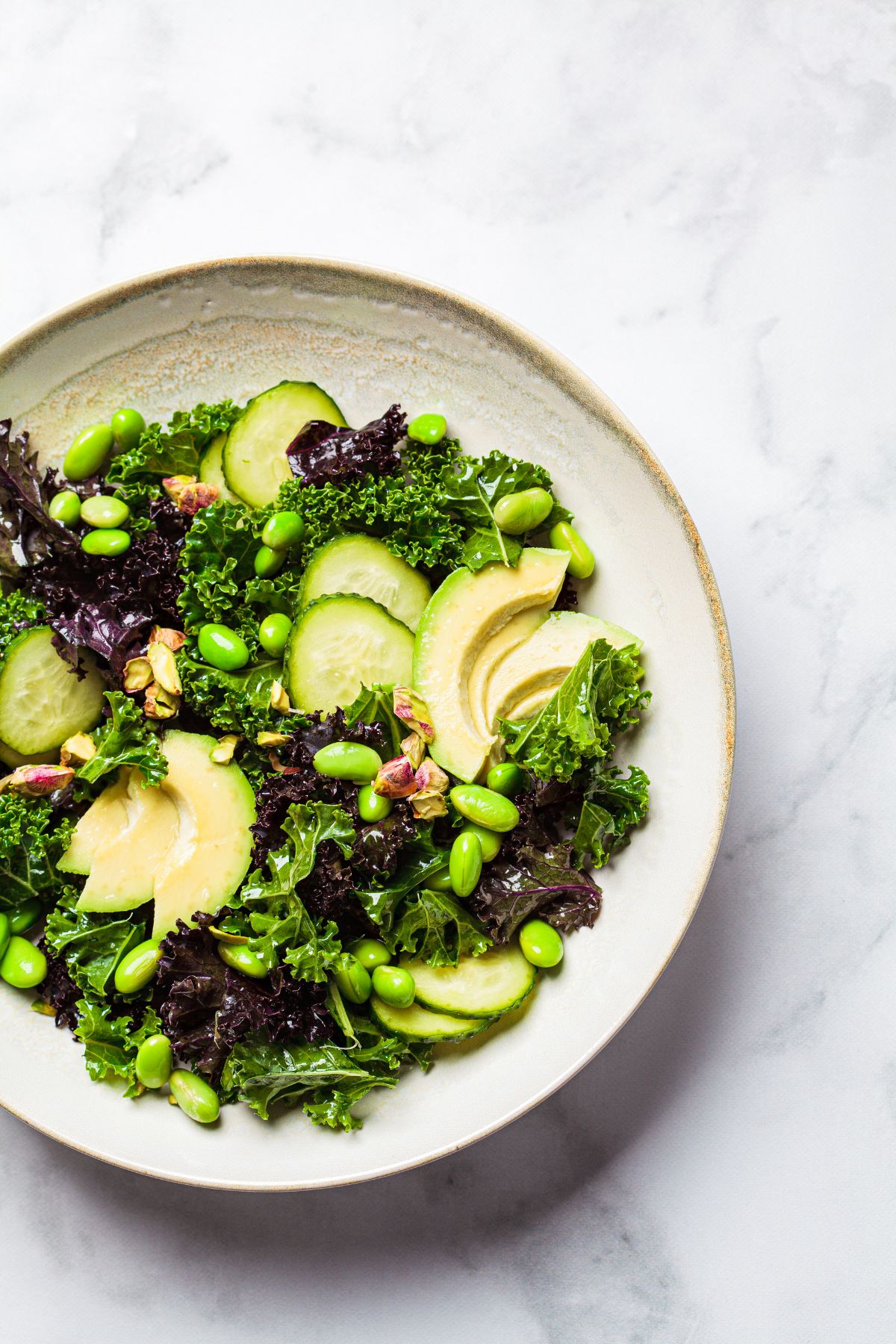
- Salads: Toss a handful of shelled edamame into your salad made with arugula, corn, celery and topped with pumpkin seeds for a pop of color, texture, and protein.
- Stir-fries: Add edamame to green bean stir-fries in the final few minutes of cooking for a nutritious boost without overcooking them.
- Snacks: Enjoy shelled edamame as a snack, lightly salted or seasoned with a sprinkle of low-FODMAP spices.
- Soups: Use edamame to add protein and texture to your favorite low-FODMAP soups.
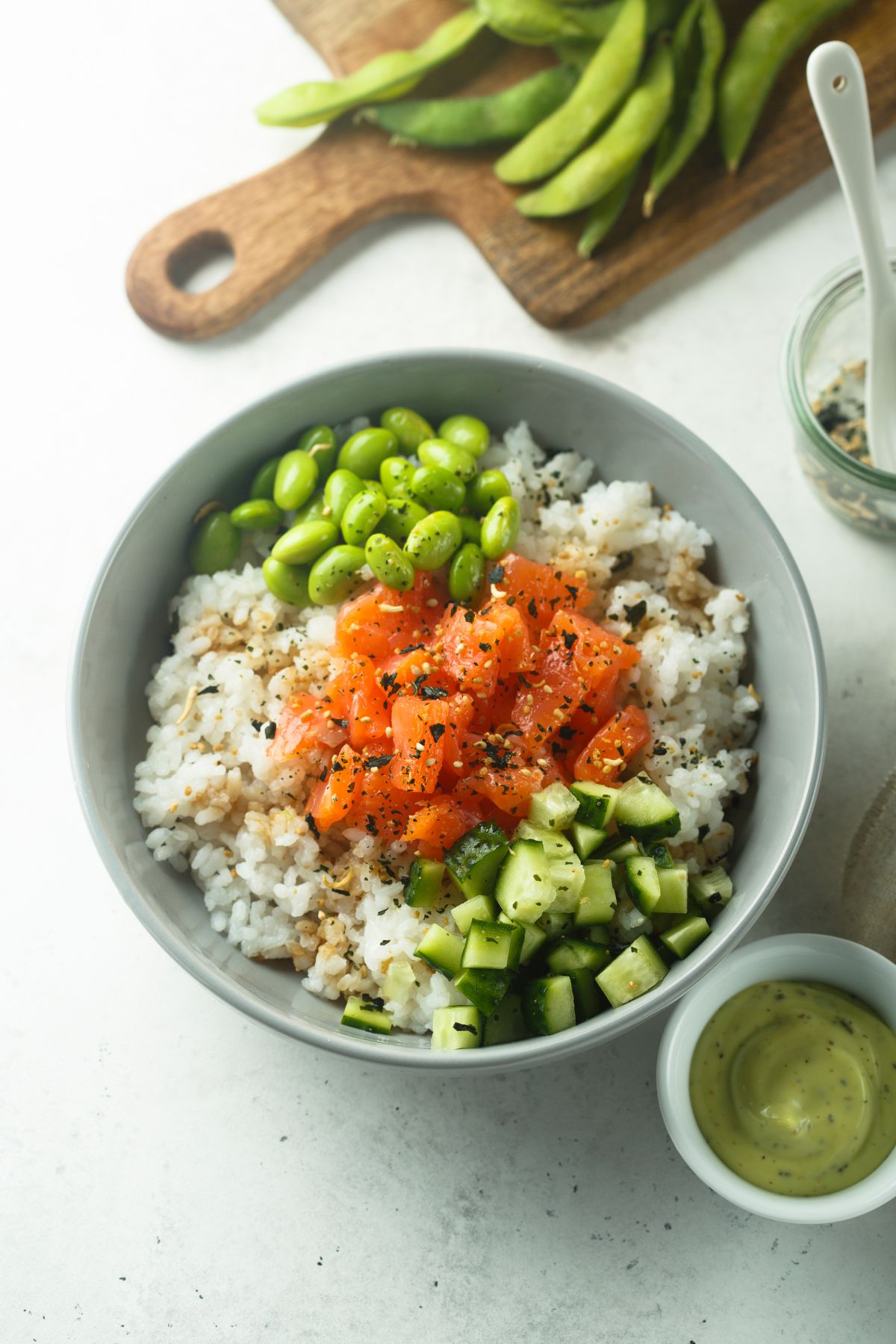
- Pasta and Rice Dishes: Mix shelled edamame into pasta or rice dishes for an easy way to increase the protein and fiber content of your meal.
- Hummus: Blend shelled edamame with garlic-infused oil, tahini, lemon juice, and low FODMAP seasonings for a tasty and nutritious dip.
Alternatives to Edamame
For those who may not tolerate edamame well or are looking for variety in their low-FODMAP diet, there are several other nutritious alternatives to consider. These options can offer similar benefits in terms of taste, nutrition, and FODMAP content.
- Canned Chickpeas and Lentils: When drained and rinsed, canned chickpeas and lentils can be low in FODMAPs in servings of 1/4 cup or 46 grams. They’re excellent sources of protein and fiber.
- Carrots and Cucumbers: These vegetables are great for snacking, adding crunch to salads, and are naturally low in FODMAP.
- Quinoa: A versatile, protein-rich grain that’s completely low in FODMAP and can be used in place of pasta, rice, or even in salads.
- Firm Tofu: Unlike softer varieties, firm tofu is considered low-FODMAP and can be a great source of soy protein in your diet.
While each of these alternatives offers unique nutritional benefits, they can serve similar roles in your diet as edamame. For instance, chickpeas and lentils provide protein and fiber, much like edamame. Quinoa and firm tofu can also add protein to your meals, making them satisfying and nutritious. The key difference lies in the FODMAP content and individual tolerance levels, so experimenting with these alternatives can help you expand your dietary options without compromising your digestive health.
Navigating Food Labels: Identifying Low FODMAP Edamame
Understanding food labels is essential when following a low-FODMAP diet. This knowledge can help you identify low-FODMAP edamame products and avoid those with hidden FODMAPs that could trigger symptoms. Here are some tips for reading and understanding food labels:
- Look for Plain Edamame: Choose edamame products that list edamame (soybeans) as the only ingredient. Avoid those with added sauces or seasonings, as they may contain high-FODMAP ingredients like garlic or onion.
- Check for Additives: Some processed edamame products might include additives that are high in FODMAPs. Be wary of ingredients like inulin, a common high-FODMAP fiber additive.
- Serving Size Matters: Pay attention to the serving size listed on the package. Even if edamame has a low FODMAP at a certain serving, eating more than recommended could lead to an intake of FODMAPs that exceeds your tolerance level.
- Frozen vs. Fresh: Both frozen and fresh edamame can have low FODMAP, provided they are free from added high FODMAP ingredients. Frozen edamame is often a convenient choice, as it can be portioned out easily.
- Certified Low FODMAP Products: Some products might carry a certification from a reputable low FODMAP program, such as Monash University’s. While not all low-FODMAP foods are certified, this can be a helpful indicator.
Key Takeaways
To wrap up our exploration of edamame and the low-FODMAP diet, here are the key points to remember:
- Edamame is Low FODMAP in Moderation: A half-cup serving of shelled edamame is generally considered low-FODMAP and suitable for those managing IBS symptoms.
- Health Benefits: Edamame is a nutritious addition to your diet, offering protein, fiber, vitamins, and minerals, along with antioxidant properties that can support overall health.
- Incorporation Tips: Edamame can be enjoyed in a variety of dishes, from salads to soups, as long as it’s consumed in moderation and prepared with low-FODMAP ingredients.
- Alternatives Are Available: For those who may not tolerate edamame well, other low-FODMAP options like canned chickpeas (in moderation), carrots, cucumbers, quinoa, and firm tofu offer similar nutritional benefits.
- Navigating Food Labels: Understanding food labels is crucial for identifying low-FODMAP edamame products and avoiding those with hidden high-FODMAP ingredients.
- Listen to Your Body: Individual tolerances can vary, so it’s important to monitor your symptoms and adjust your diet accordingly.
The final verdict on edamame and its place in a low-FODMAP diet is that it can be a beneficial and enjoyable part of your meal plan, provided it’s consumed in appropriate servings and prepared simply. By following the guidelines and tips outlined in this post, you can manage your IBS symptoms effectively while still enjoying a diverse and nutritious diet.

- Are Potatoes Low FODMAP? Adding Spuds Wisely For IBS - March 15, 2024
- Is Watermelon Low FODMAP? Tips for Eating With IBS - March 13, 2024
- Are Blueberries Low FODMAP? Discover The Digestive Benefits - March 12, 2024